
Art & Craft Heritage7 min read
Kahani Karigar Ki
Every handmade object carries a story. Kahani Karigar Ki celebrates the people behind India’s crafts—their journeys, struggles, heritage, and perseverance. HobbyMela gives these stories a stage, because behind every creation is a person worth knowing.
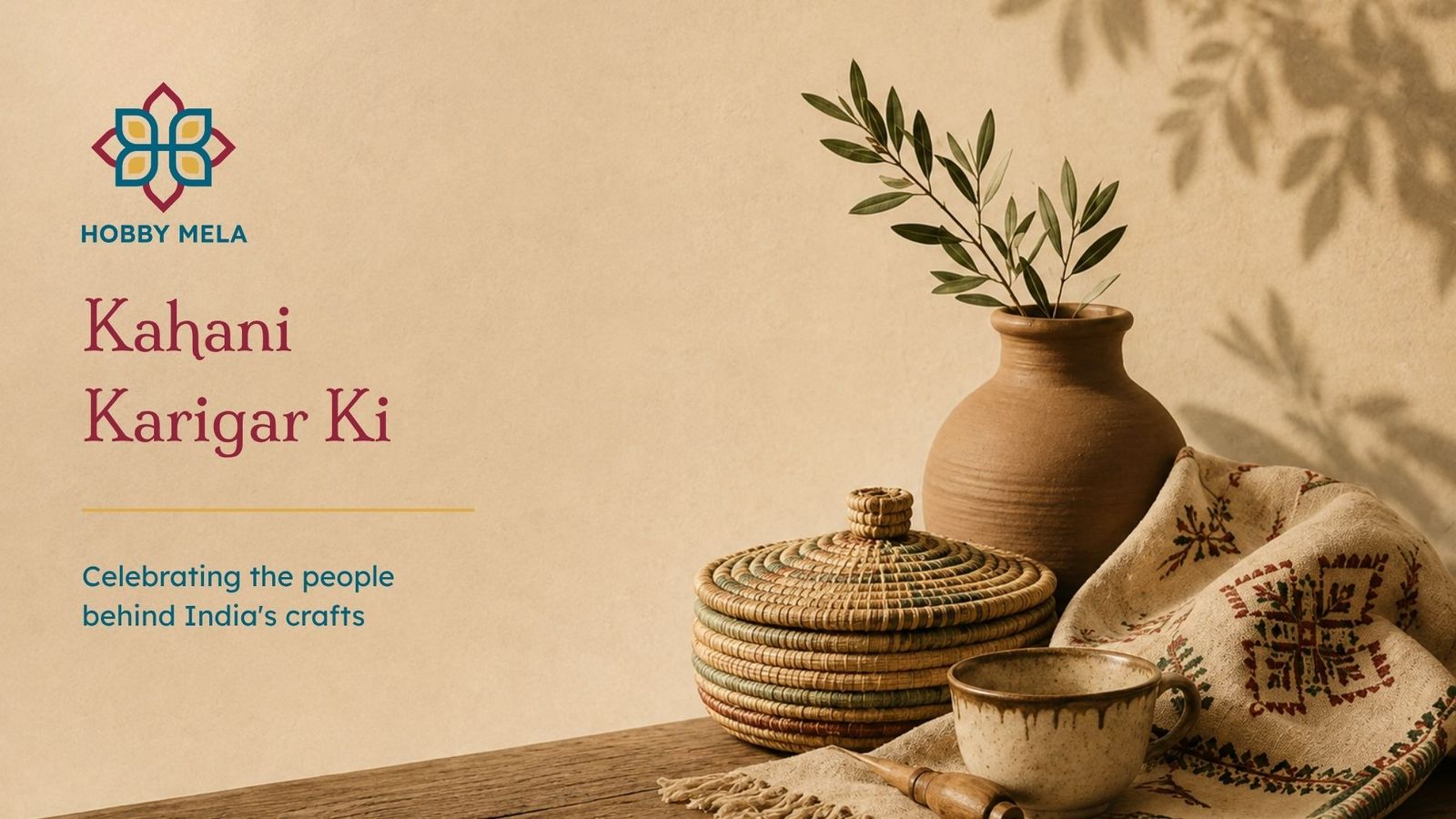
Every handmade object carries more than craftsmanship it carries a life. Whether it’s a ceramic mug, a woven basket, a hand-embroidered stole, or a glass sculpture, we often admire
its beauty without pausing to wonder about the person who created it. Who shaped the clay before sunrise? Who spent years learning to control fire, weave thread into patterns, or transform simple materials into something extraordinary? Every handmade object begins long before it reaches our hands. It begins with a person, and every person carries a story. That simple truth lies at the heart of Kahani Karigar Ki.
“Kahani Karigar Ki” is more than a tagline. It is the philosophy that guides HobbyMela. It reminds us that behind every creation is a creator, behind every craft is a journey, and behind every masterpiece are countless unseen moments of patience, resilience, doubt, and hope. The word karigar means artisan, but it also represents someone who preserves knowledge, solves problems, and communicates through materials rather than words. Whether they work with clay, glass, wood, fabric, metal, paper, or any other medium, every artist leaves behind more than an object, they leave behind a piece of themselves.
Handmade work has a remarkable way of making years of effort look effortless. A ceramic bowl hides countless failed firings. A glass sculpture conceals years spent mastering heat and timing. A handwoven textile reflects thousands of patient, repetitive movements perfected over decades. What we admire is only the finished piece, rarely the setbacks, experiments, and perseverance that shaped it. Yet it is those invisible moments that give handmade work its true value.
History reminds us that extraordinary artists are not always hidden because they lack talent. Often, they remain unseen because no one has taken the time to tell their story.
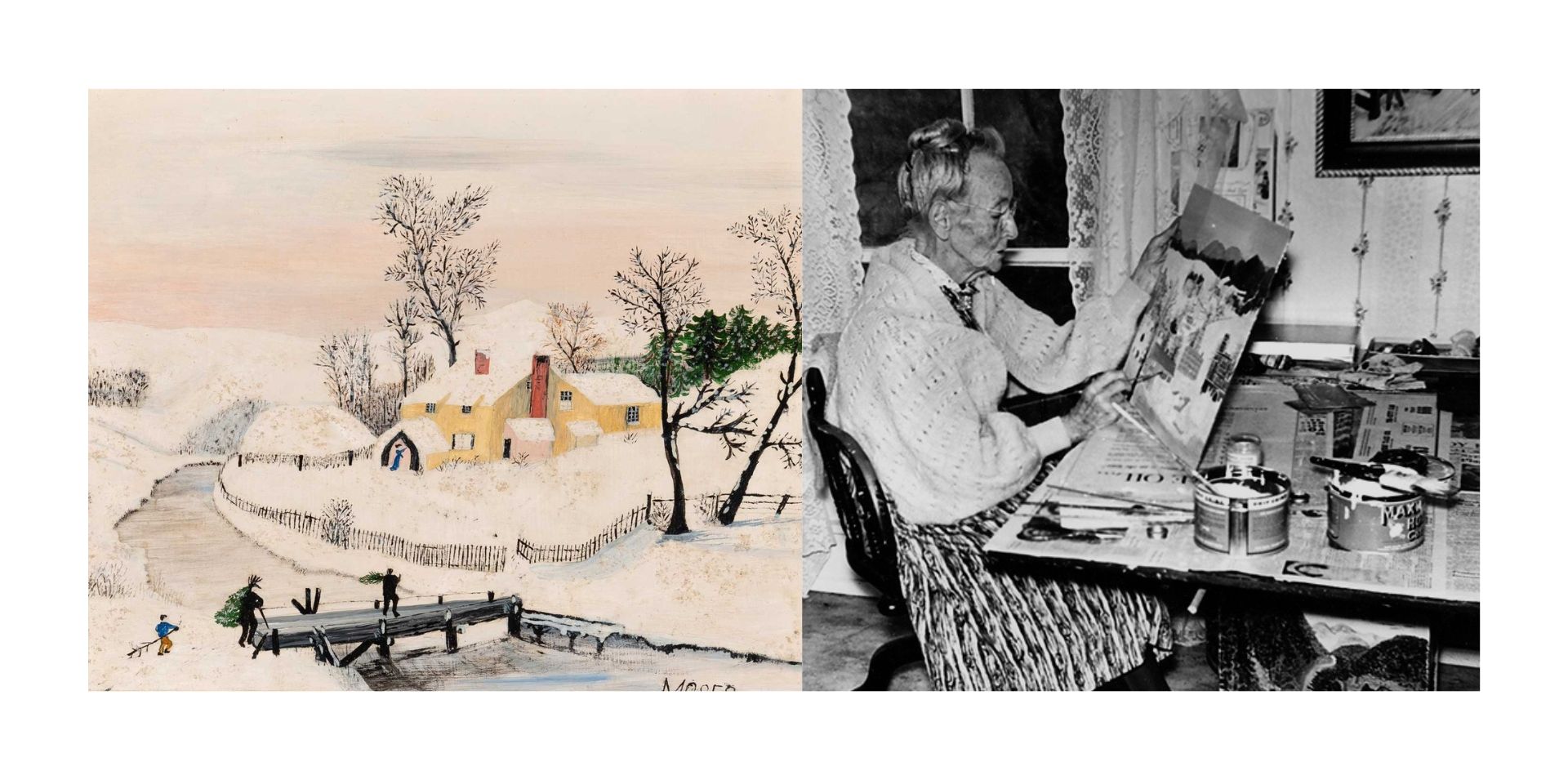
Anna Mary Robertson Moses, known to the world as Grandma Moses, spent most of her life raising a family and working on a farm. It was only after arthritis made embroidery too painful that she began painting in her late seventies. Her paintings might have remained inside her home forever had an art collector not discovered them hanging in a small town pharmacy. Once people learned who she was and what she had overcome, she became one of America’s most celebrated folk artists. Her story changed the way people saw her paintings, proving that creativity is never limited by age.
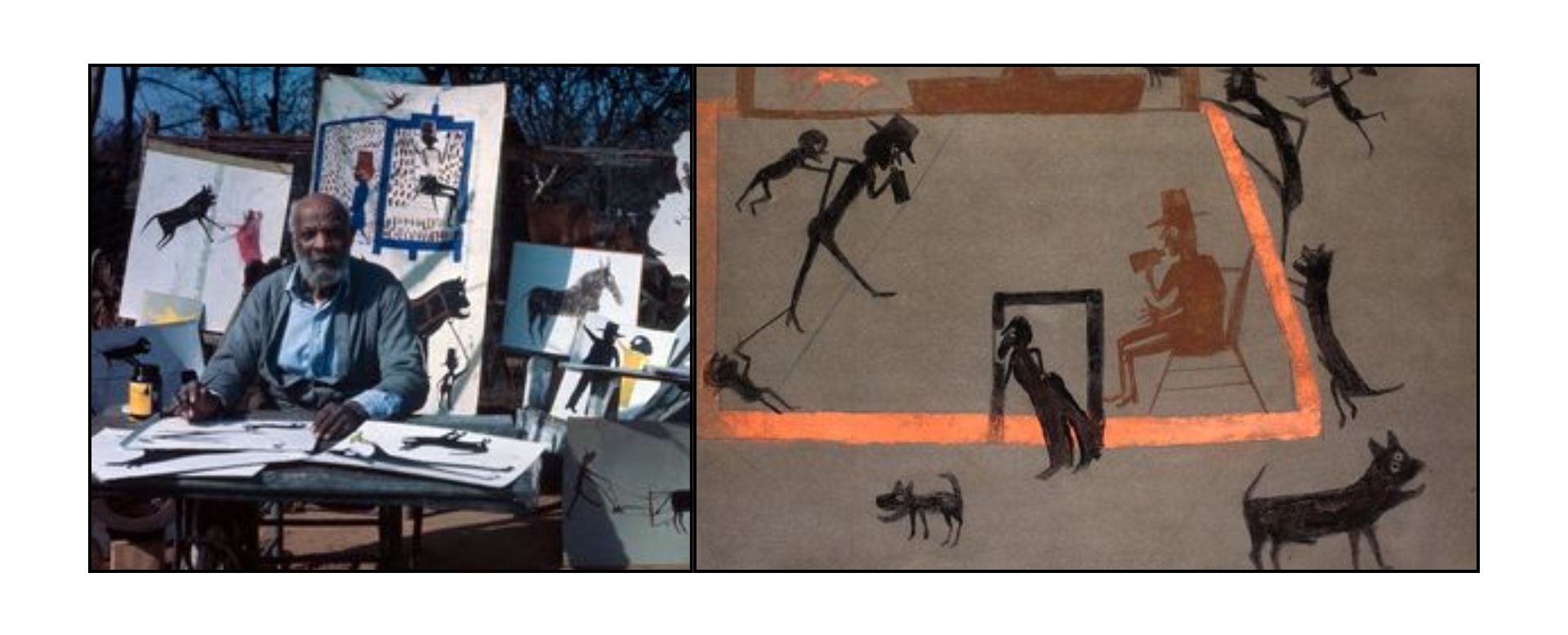
A similar transformation happened with Bill Traylor, who was born into slavery in Alabama and spent much of his life working as a labourer. In his eighties, while living in poverty, he began drawing scenes from memory on discarded pieces of cardboard. Most people walked past him without a second glance, unaware that they were witnessing one of the greatest self-taught artists in American history. Only when another artist recognised the significance of his work and preserved it did the world begin to understand the brilliance of his vision. Today, his drawings are displayed in museums around the world, reminding us that remarkable talent can remain invisible until someone tells its story.
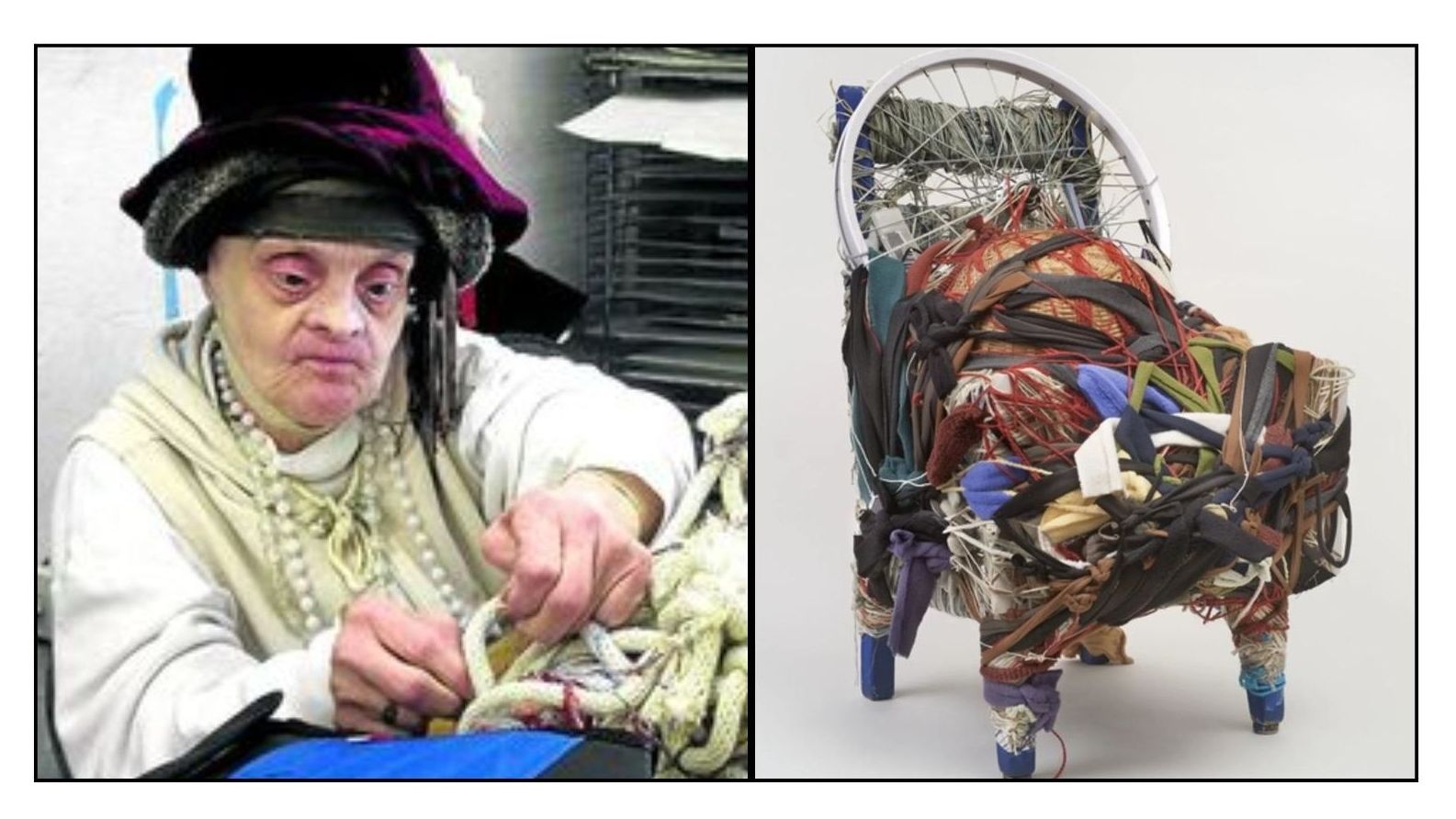
Another extraordinary example is Judith Scott, a woman born with Down syndrome who was also profoundly deaf. For decades, she lived in institutions, separated from her family and unable to communicate through spoken language. It was only after discovering fibre art that she found a way to express herself, creating intricate sculptural works wrapped in layers of yarn and fabric. Her sculptures are now exhibited internationally, but what moved people most was not only the beauty of her work, it was the resilience and humanity of the woman who had finally found her voice through art.
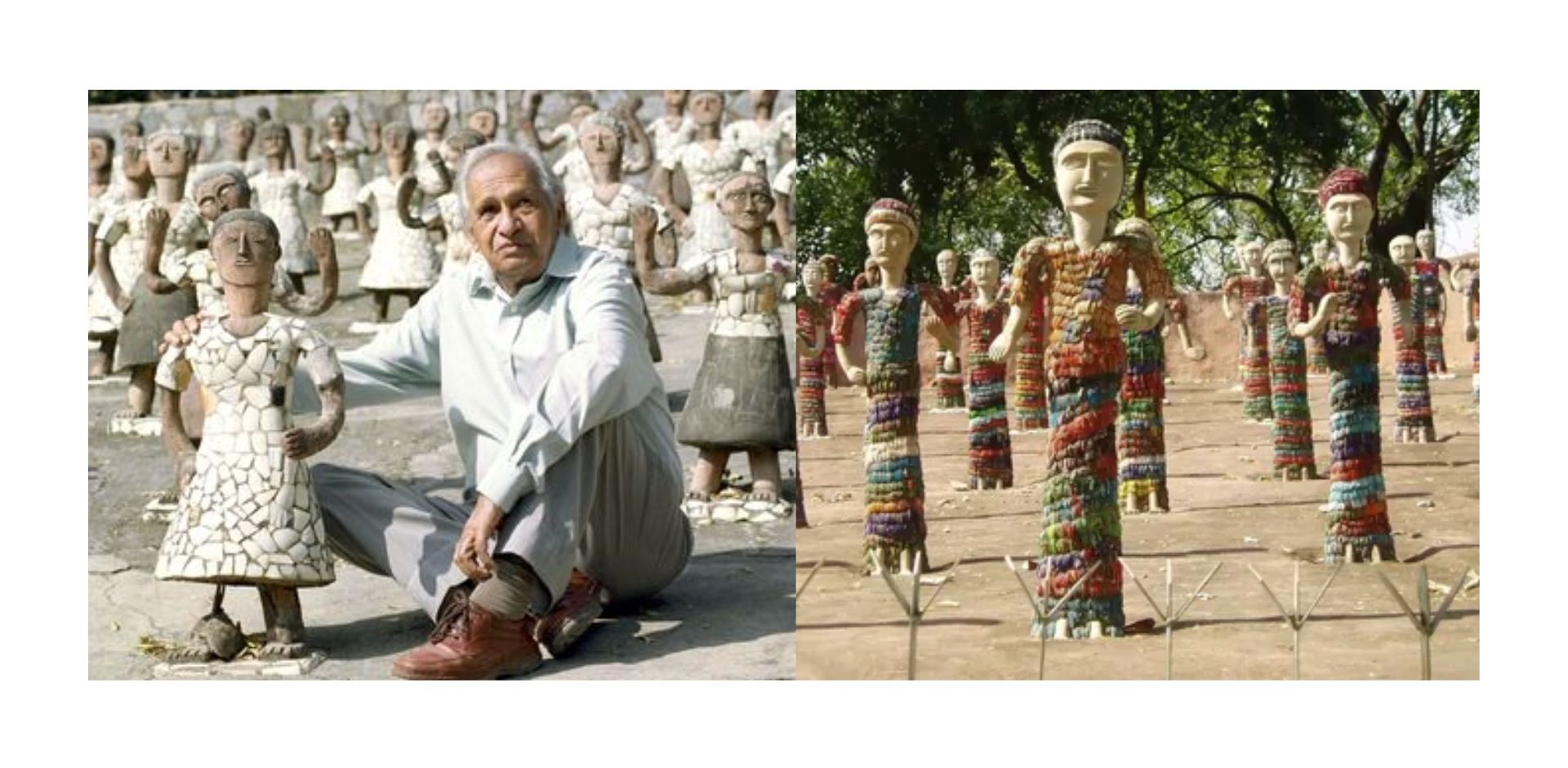
India has its own remarkable stories. Nek Chand, a government road inspector in Chandigarh, quietly spent nearly twenty years collecting broken bangles, discarded ceramics, and construction debris to build sculptures hidden inside a forest. When authorities discovered the site, they intended to demolish it. But as people learned about Chand’s extraordinary vision and dedication, public support transformed the Rock Garden into one of India’s most celebrated cultural landmarks, visited by millions every year. His sculptures had always been remarkable. It was his story that inspired the world.
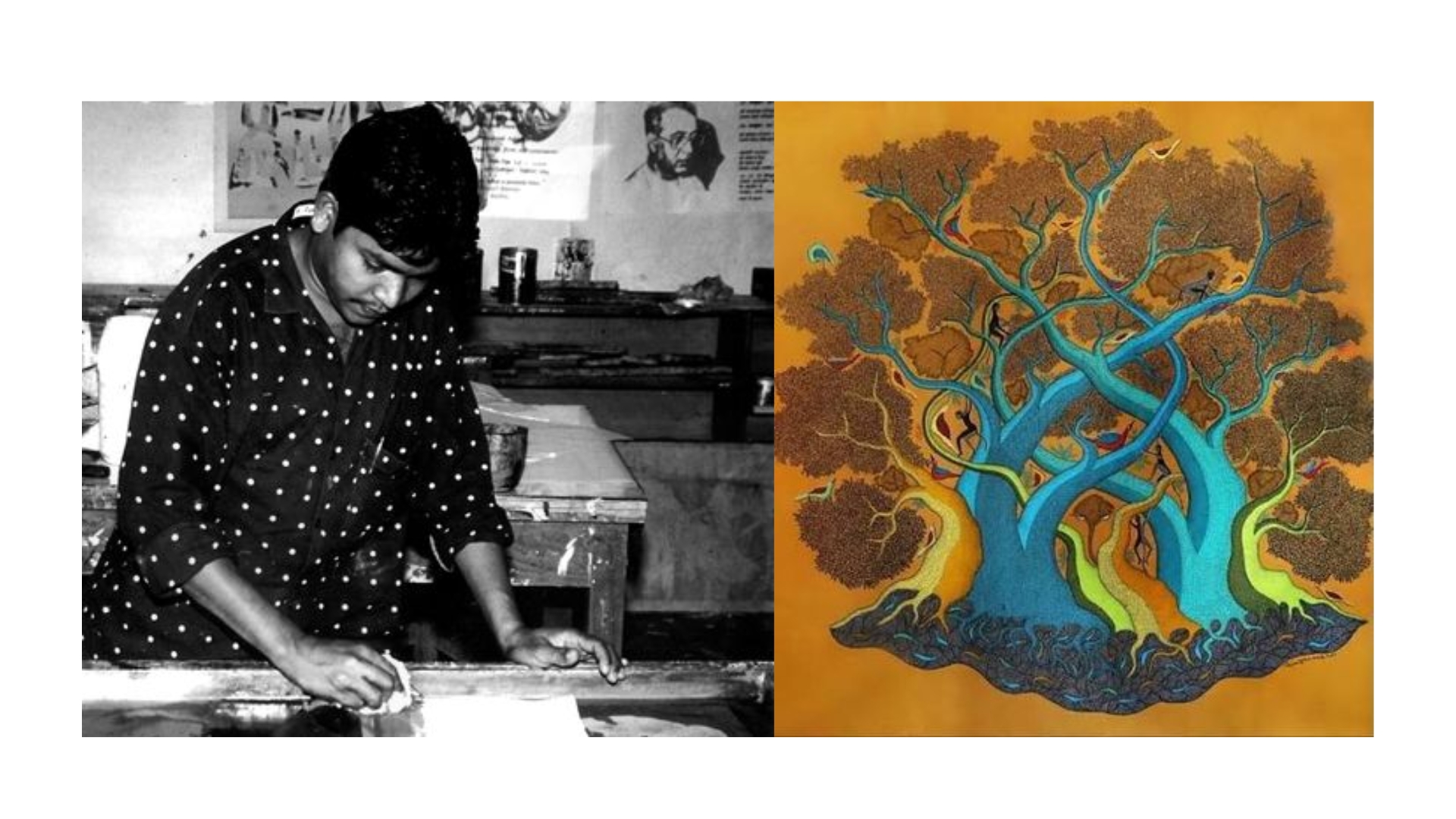
Another powerful example is Jangarh Singh Shyam, a young artist from the Gond community in Madhya Pradesh. Before his work gained recognition, Gond painting was largely regarded as a regional folk tradition. When his paintings were exhibited beyond his village, the world discovered not only an extraordinary artist but an entire artistic tradition that had remained overlooked for generations. His journey opened doors for countless tribal artists, proving that one story can preserve an entire culture.
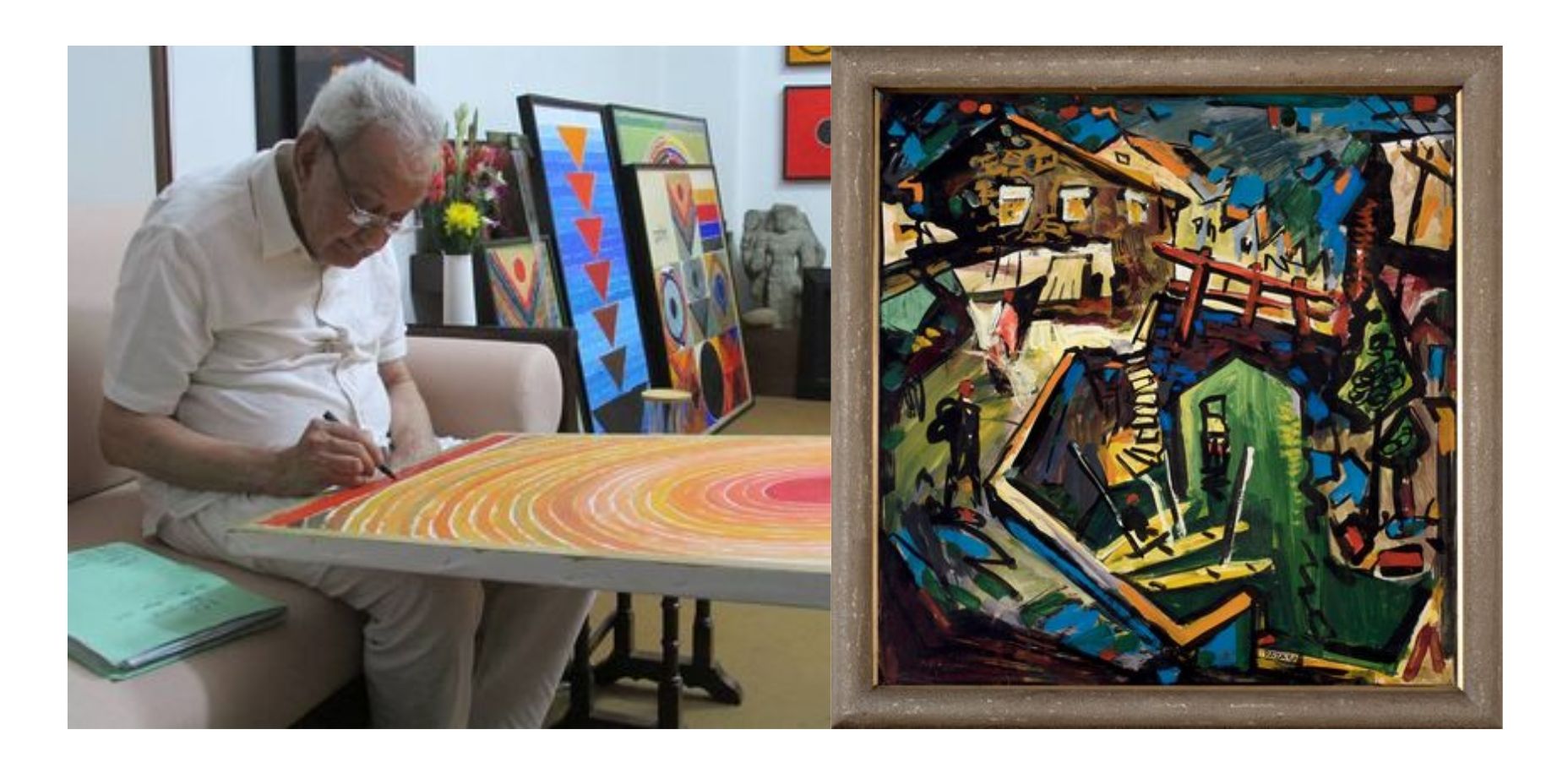
The journey of Sayed Haider Raza offers another lesson. Long before his paintings became some of the most celebrated works in Indian modern art, Raza was searching for an artistic language rooted in his own memories and identity. His iconic Bindu series emerged from reflections on childhood, Indian philosophy, and spirituality. As audiences came to understand the story behind his work, they began to see his paintings not simply as abstract art, but as profound meditations on life itself. His story transformed the way the world experienced his art.
The Stories We Found at HobbyMela
When we began meeting the 25 artists of HobbyMela, we discovered 25 very different lives connected by the same decision: they chose to keep creating. There was Asad, who has spent over 35 years mastering stained glass and still considers himself a student; Arjun Rathi, whose Rural Modern Glass Studio is pushing the boundaries of what glass can become and putting India on the map for creative excellence; Harshita, who discovered the artist in herself while building a creative business; Rahul, whose relentless dedication to string art earned him an India Book of Records title; and Priyanka, who has turned Lippan art into both a creative practice and a livelihood for other women. There was Sheetal, who creates purely for the joy of making; Mrudula, who found an identity beyond being a mother through self-taught quilling; Richa, who built her art practice alongside a demanding corporate career; Shibani, who followed painting from teaching to seeing her work in Sonam Kapoor’s home; Aditi, who is bringing hand embroidery back into everyday life; Ujjwal, who turns memories and emotions into physical keepsakes; Pooja, who left commercial aviation to discover her artistic language through alcohol ink; Rekha Goyal, who has pushed ceramics into monumental murals and installations; and Dhanashree, who has built a versatile clay practice while balancing motherhood, business, and leading a team of artists. Alongside them are Marina, Ritu, Poonam, Vibha, Aanchal, Preeti, Megha, and Prachi, each bringing their own medium, journey, and reason for creating. What united all 25 was never fame or followers, but devotion—the willingness to keep learning, experimenting, failing, adapting, and showing up. Their stories reminded us that talent may be personal, but it becomes powerful when someone takes the time to see it, support it, and tell its story.
These stories share a common thread. None of these artists became remarkable because someone invented their talent. Their talent already existed. What changed was that someone chose to document their journey, preserve their voice, and help the world understand the human being behind the work.
That belief is at the heart of HobbyMela. We are not building a platform simply to showcase handmade products or Indian handicrafts. We are building a home for stories. Every workshop, every artist interview, every creator profile, and every conversation becomes part of a growing archive of India’s creative community. We want to preserve traditional crafts, celebrate contemporary artists, and remind people that the value of handmade work lies not only in its beauty but also in the lives that shaped it.
When we buy something handmade, we don’t simply take home an object. We take home someone’s years of practice, countless failures, quiet determination, family history, and hope that what they created will find a place in another person’s life. Long after the colours fade, the clay ages, or the fabric softens with time, one thing remains—the story.
At HobbyMela, that is the story we want to preserve.
Because perhaps the most important part of a handmade object is not the object itself.
It is the person behind it